
How to Become a Professional Beautician in Varanasi: Step-by-Step Career Guide
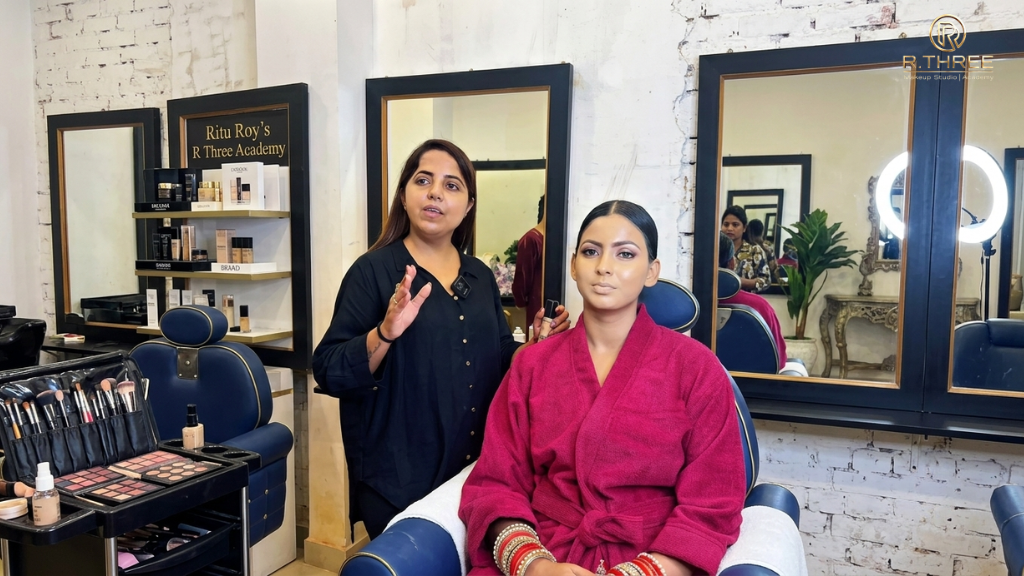
If you enjoy beauty, skincare, hair styling, makeup and working with people, becoming a professional beautician can turn your interest into a practical career.
But becoming a professional beautician involves more than simply completing a beauty course.
You need to learn the right techniques, practise consistently, understand products and hygiene, develop client-handling skills and gradually build professional confidence.
For students in Varanasi, the good news is that there are several ways to enter the beauty industry. You can start with a beginner course, move into professional training, specialise in areas such as makeup, hair or skin, and eventually work in a salon, freelance or start your own beauty business.
This step-by-step guide explains how to become a professional beautician in Varanasi and what you should focus on at each stage.
What Does a Professional Beautician Do?
A professional beautician provides beauty and grooming services according to a client’s requirements.
Depending on their training and specialisation, a beautician may work with:
-
Skin care
-
Facials and cleanups
-
Threading
-
Waxing
-
Makeup
-
Hair styling
-
Hair care
-
Manicure and pedicure
-
Nail services
-
Bridal beauty services
-
Client consultation
-
Product recommendations
A beautician may work in a salon, beauty studio, spa, as a freelancer or eventually operate their own business.
The exact services you provide will depend on your training and area of expertise.
Beautician Course Fees in Varanasi
Before enrolling in a course, think about the kind of work you actually want to do.
You could become a:
General Beautician
A general beautician typically works across multiple beauty services, including skin care, grooming, makeup and basic hair services.
Makeup Artist
If you enjoy makeup, you can specialise in party, engagement, bridal and occasion makeup.
Hair Professional
If hair is your primary interest, you can develop specialised skills in cutting, styling, colouring and hair treatments.
Skin Professional
You can focus on skincare, facials, skin preparation and beauty treatments.
Bridal Beauty Professional
Bridal professionals combine makeup, hairstyling and other wedding beauty services to create complete bridal looks.
Freelance Beautician
Freelancers can provide beauty services independently for home clients, weddings, events and private appointments.
You don’t necessarily have to choose one specialisation on day one. A broad foundation can help you discover which area you enjoy most.
Step 2: Start With the Right Beauty Training
Once you know your direction, choose a training programme that matches your current experience.
If you have never worked in the beauty industry, starting with a structured beginner course can help you build your foundation.
A beginner programme may introduce you to:
-
Basic skincare
-
Facial techniques
-
Threading
-
Waxing
-
Manicure and pedicure
-
Basic makeup
-
Hair basics
-
Salon hygiene
You can explore the Beginner Courses at R Three Salon if you are starting from the basics.
The important thing is not to rush into advanced techniques before developing fundamental skills.
Step 3: Move Into Professional-Level Training
Once you understand the basics, professional training can help you develop broader salon skills.
A professional beauty programme may cover:
-
Hair
-
Makeup
-
Skin
-
Nails
-
Client consultation
-
Product knowledge
-
Hygiene
-
Practical training
-
Salon procedures
The goal is to move from “I have watched this technique” to “I can perform this service confidently and professionally.”
For students who want career-oriented training, explore the Professional Courses at R Three Salon.
Step 4: Practise, Practise and Practise
-
This is one of the most important steps in becoming a professional beautician.
Beauty is a hands-on profession.
Watching demonstrations can help you understand a technique, but practical repetition is what develops confidence.
During training, practise:
-
Facial techniques
-
Makeup application
-
Hair styling
-
Threading
-
Waxing
-
Manicure and pedicure
-
Client consultation
-
Product application
Don’t focus only on completing the service.
Pay attention to:
Technique + Speed + Precision + Hygiene + Client Comfort
A professional beautician needs all five.
For more information, read Why Practical Training Matters in a Beauty Academy in Varanasi.
-
Step 5: Learn Hair, Skin and Makeup Fundamentals
Depending on the course, students may learn:
Hair cutting basics
Blow-drying
Hair styling
Hair spa
Hair colouring
Hair treatment basics
Smoothening concepts
Product knowledge
Students interested specifically in professional hair skills can also explore the dedicated Hair Training Course at R Three Salon.
Hair
Learn the fundamentals of:
-
Hair types
-
Hair cutting
-
Hair styling
-
Blow-drying
-
Hair spa
-
Hair care
-
Colouring basics
-
Hair treatments
If you want to specialise in hair, you can progress into dedicated Hair Training.
Skin
Learn about:
-
Skin types
-
Basic skin analysis
-
Cleansing
-
Exfoliation
-
Facials
-
Cleanups
-
Skin preparation
-
Product selection
Students interested in specialising can explore Skin Training.
Makeup
Develop your understanding of:
-
Base makeup
-
Colour correction
-
Foundation matching
-
Eye makeup
-
Contouring
-
Highlighting
-
Lip makeup
-
Party makeup
-
Bridal makeup
If makeup becomes your primary interest, consider dedicated Makeup Training.
Step 6: Understand Products Instead of Just Memorising Brands
Professional beauticians work with many different products.
You should gradually learn:
-
What different product categories do
-
Which products work with different skin types
-
Which products are suitable for different hair types
-
How much product to use
-
How products should be applied
-
Storage requirements
-
Professional vs home-use products
-
Basic ingredient awareness
Product knowledge helps you make better professional decisions.
A client should not receive a product recommendation simply because it is popular. You should understand why it is appropriate for that particular requirement.
Step 7: Take Hygiene Seriously
Professional beauty work involves close contact with clients.
Hygiene should therefore become part of your routine from the beginning.
Learn proper practices for:
-
Cleaning tools
-
Sanitising equipment
-
Washing hands
-
Maintaining workstations
-
Handling disposable products
-
Cleaning brushes and applicators
-
Managing towels and linens
-
Safe product handling
Good hygiene protects both the client and the beautician.
It also demonstrates professionalism.
Step 8: Learn Client Consultation
Technical skills alone are not enough.
A professional beautician needs to know how to communicate with clients.
Before performing a service, learn to understand:
-
What the client wants
-
Their previous treatments
-
Skin or hair concerns
-
Their expectations
-
Their preferred look
-
Any relevant sensitivities
-
The occasion
-
Their maintenance routine
You should also learn how to explain what a service can realistically achieve.
Good consultation can prevent misunderstandings and help create a better client experience.
Step 9: Build Confidence Through Real Practice
At some point, you need to move beyond practising only in a classroom environment.
Supervised model practice can help you understand what working with real clients is like.
You’ll learn how to:
-
Communicate while working
-
Manage appointment time
-
Handle different requirements
-
Maintain hygiene throughout the service
-
Adjust your technique
-
Stay calm when something unexpected happens
This is where practical training starts becoming professional experience.
Step 10: Choose a Specialisation
Once you have a strong foundation, consider specialising.
Specialisation can help you become known for a particular service.
Popular options include:
Bridal Makeup
Ideal if you enjoy makeup, hairstyling and wedding beauty.
Hair Styling & Treatments
Suitable if you are interested in hair transformation, styling and professional hair services.
Skin Care
A good direction for students who enjoy skincare and facial services.
Nail Services
Suitable for those interested in manicure, pedicure and nail-focused services.
Advanced Makeup
You can develop deeper expertise in HD, airbrush, bridal and occasion makeup.
You don’t have to specialise immediately. Many professionals first develop broad salon skills and then identify the area where they have the strongest interest and demand.
Step 11: Get Certified
A recognised or credible course certificate can demonstrate that you have completed formal training.
However, don’t make the certificate your only goal.
When choosing a course, look at:
-
Curriculum
-
Practical training
-
Trainer experience
-
Assessment
-
Certificate
-
Model practice
-
Career support
A certificate is useful, but real skills are what you will use with clients.
Step 12: Gain Salon Experience
After completing your training, working in a professional salon can be an excellent way to develop your skills.
A salon environment teaches you things that cannot always be learned in a classroom.
You may learn:
-
Appointment management
-
Client communication
-
Service timing
-
Teamwork
-
Product usage
-
Customer service
-
Upselling appropriately
-
Handling busy periods
-
Professional salon behaviour
Your first job does not have to be your final career destination.
Think of it as another stage of your professional education.
Step 13: Build a Portfolio
If you want to become a freelance beautician or makeup artist, your portfolio is extremely important.
Document your work as you improve.
Your portfolio can include:
-
Makeup transformations
-
Hairstyles
-
Facial results
-
Nail work
-
Bridal looks
-
Party looks
-
Before-and-after work where appropriate
Use clear, authentic photographs.
A strong portfolio can help potential clients understand your actual work before booking.
Step 14: Learn How to Find Clients
Once your skills are ready, you need to learn how to attract clients.
You can build visibility through:
-
Instagram
-
Google Business Profile
-
Word-of-mouth referrals
-
Wedding networks
-
Local events
-
Existing clients
-
Salon employment
-
Freelance platforms
-
Your own website
Don’t try to market every service immediately.
Start with the areas where your skills and portfolio are strongest.
For example, if you become particularly good at bridal makeup, build your portfolio and marketing around bridal services.
Step 15: Learn Basic Business Skills
If your long-term goal is to open your own salon or beauty studio, technical training is only one part of the journey.
You will also need to understand:
-
Pricing
-
Budgeting
-
Product purchasing
-
Inventory
-
Staff management
-
Appointment systems
-
Customer retention
-
Marketing
-
Salon hygiene
-
Business expenses
A successful beauty professional eventually needs to think like both a service provider and a business owner.
If opening your own salon is your goal, read How to Start a Salon After a Beauty Course in Varanasi.
How Long Does It Take to Become a Professional Beautician?
There is no single timeline.
Your journey depends on:
-
Your starting skill level
-
Course duration
-
Practical training
-
Specialisation
-
Practice frequency
-
Salon experience
A simple pathway could look like:
Beginner Training → Professional Training → Practical Practice → Specialisation → Salon Experience → Independent Work
You don’t have to master everything before beginning your career.
Professional development continues as you gain experience.
The total investment depends on the type of training you choose.
A basic course will generally require a smaller investment than a comprehensive professional programme or multiple specialised courses.
Your total cost may include:
-
Course fees
-
Training materials
-
Tools
-
Makeup products
-
Hair equipment
-
Practice materials
-
Advanced workshops
-
Certification
When comparing courses, don’t look at the fee alone.
Ask:
What practical training is included?
Are products and tools provided?
Is certification included?
How experienced are the trainers?
What happens after the course?
For a broader understanding of course costs, read our Beauty Course Fees in Varanasi: Complete 2026 Guide.
Can You Become a Beautician Without a Professional Course?
You can learn beauty techniques independently through online resources and practice, but professional training can provide structure, supervision and systematic learning.
The difference is particularly important when learning:
-
Client safety
-
Professional hygiene
-
Chemical services
-
Product selection
-
Skin procedures
-
Hair treatments
-
Professional makeup
Self-learning can be useful for personal grooming or as an additional learning method.
If your goal is professional employment, structured training and supervised practice can provide a stronger foundation.
If your goal is personal learning, explore the Self Courses at R Three Salon.
You can also explore dedicated Self Hair Training and Self Makeup Training options.
Common Mistakes New Beauticians Should Avoid
Starting a beauty career is exciting, but avoid these common mistakes.
Choosing a Course Only Because It Is Cheap
Low fees don’t automatically mean good value.
Skipping Practical Training
Watching demonstrations isn’t enough to develop professional confidence.
Trying Advanced Services Too Early
Build your fundamentals before moving into advanced techniques.
Ignoring Hygiene
Professional hygiene should never be treated as optional.
Copying Every Trend
Not every beauty trend is appropriate for every client.
Underpricing Your Services
Once you become independent, understand your product costs, time and skill before setting prices.
Failing to Build a Portfolio
Your work should be visible if you want clients to trust your skills.
Stopping Learning After Certification
Beauty trends, products and techniques continue to evolve.
A Simple Career Roadmap for Aspiring Beauticians
If you’re starting from zero, your career path can look like this:
Stage 1 — Learn the Basics
Join a beginner beauty course and understand fundamental salon services.
Stage 2 — Develop Professional Skills
Move into structured professional training with more practical exposure.
Stage 3 — Choose a Specialisation
Decide whether you want to focus on makeup, hair, skin, nails or bridal beauty.
Stage 4 — Gain Experience
Work with real clients under professional supervision.
Stage 5 — Build Your Portfolio
Document your best work and start developing your professional identity.
Stage 6 — Start Earning
Document your best work and start developing your professional identity.
Stage 7 — Build a Business
With experience, you can eventually consider your own studio or salon.
Why Choose R Three Salon for Beauty Training in Varanasi?
R Three Salon offers different learning pathways depending on your experience and career objective.
If you are starting from scratch, explore the Beginner Beauty Courses.
If your goal is professional salon training, explore the Professional Courses.
Students can also choose focused training in:
This structure allows students to choose training according to where they currently are and where they want their beauty career to go.
Becoming a professional beautician in Varanasi is not a one-day process.
It is a progression:
Learn → Practise → Improve → Specialise → Gain Experience → Build a Portfolio → Build a Career
Start with the right foundation, take practical training seriously and gradually develop your strongest skills.
You don’t need to know everything on your first day.
What matters is choosing the right training, practising consistently and continuing to improve once you enter the professional world.
Whether you eventually want to work in a salon, become a bridal makeup artist, work independently or open your own beauty studio, the skills you develop at the beginning will form the foundation of your career.
Frequently Asked Questions
Start by choosing a suitable beauty training programme, learn fundamental salon skills, complete practical training, develop specialised skills, gain real-world experience and gradually build a professional portfolio.
Requirements vary by course and academy. Many beginner-friendly beauty courses do not require previous professional experience, making them accessible to students starting from the basics.
Formal training is not the only way to learn beauty skills, but structured professional training can provide systematic education, supervised practice, hygiene knowledge and technical foundations that are important when working with clients.
There is no fixed timeline. It depends on your course, practical experience, specialisation and practice. You can begin developing basic skills within a short training programme and continue building professional expertise through salon experience.
Important skills include skincare, makeup, hair basics, nail care, threading, waxing, product knowledge, hygiene, client consultation and practical service techniques.
Many beginner-level beauty programmes are accessible to students with basic school-level education, but eligibility depends on the specific course and academy.
Yes. After developing sufficient skills and experience, beauticians can work as freelancers, provide home services, specialise in bridal beauty or establish their own beauty studio.
Yes, but technical beauty skills are only one part of running a salon. You will also need knowledge of pricing, inventory, customer management, marketing, staff management and business operations.
If you have no previous experience, a beginner course can provide the foundation. If you want to build a career in the salon industry, professional-level training with substantial practical exposure may be more appropriate.
-
Beauty Course Certification in Varanasi: What Should Students Check Before Enrolling?
-
How to Become a Professional Beautician in Varanasi: Step-by-Step Career Guide
-
What Is Taught in a Professional Beauty Course in Varanasi?
-
Beautician Course in Varanasi: Fees, Duration, Eligibility & Career
-
Beauty Course Fees in Varanasi: Complete 2026 Guide
-
Top Bridal Makeup Salons in Varanasi: What to Compare Before Booking
-
How Much Does a Salon Visit Cost in Varanasi? Hair, Skin, Makeup & Beauty Prices
-
Best Salon Services in Varanasi: Hair, Skin, Makeup, Nails & Body Care Guide
-
Salon Appointment Checklist: What to Ask Before Booking in Varanasi
-
Luxury vs Regular Salon in Varanasi: Services, Pricing & What to Expect
-
How to Choose a Salon in Varanasi Based on Your Hair & Skin Needs
-
How Often Should You Get a Hair Spa? A Complete Guide
-
How Much Do Salon Services Cost in Varanasi? A Practical Guide
-
Why Practical Training Matters: What Makes a Beauty Academy the Best in Varanasi?
-
Wedding Season Special: Best Pre-Bridal & Groom Packages for Families in Pandeypur, Varanasi